GRUPPO TRINITA’ INDUSTRIA SALUMI: Industry 4.0 in a food company
2025
THE CHALLENGE
GRUPPO TRINITA’ INDUSTRIA SALUMI began in 1982 in Buttapietra (Verona), founded by three entrepreneurs specialized in pork processing. By 1994, the company had built a modern headquarters in Vallese di Oppeano and, thanks to rapid expansion through acquisitions, grew into a fully-fledged Group. Today, this Group includes six companies certified under major standards like BRC, IFS, and FSCC 22000, ensuring top-quality and safety.
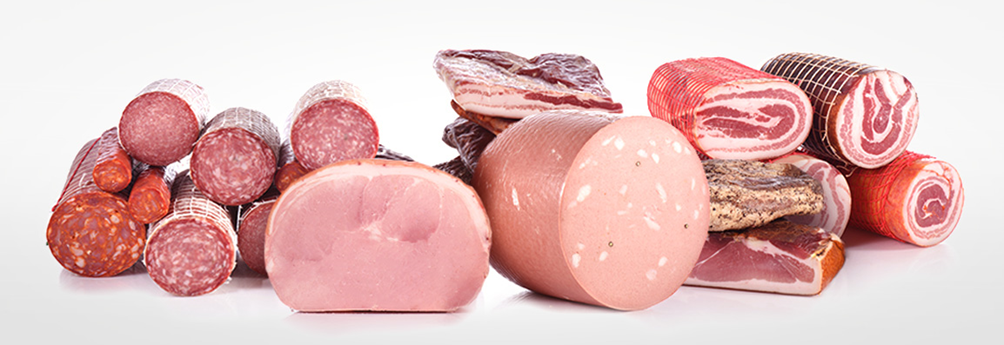
Furthermore, the portfolio has expanded to offer a wide selection of delicatessen items, such as hams, mortadella, coppe, pancetta, and salami. Moreover, many products are available in convenient take-away formats to meet the needs of modern consumers.
With the ambition to streamline operations, starting from 2022 GRUPPO TRINITA’ joined forces with Orchestra to initiate a digital transformation. Through this collaboration, they digitized as many as 21 machines—a move that enabled the automation of production order management and monitoring. Additionally, this upgrade granted access to tax incentives under Italy’s Transition Plan 4.0.
THE SOLUTION
To support the digitalization of its production processes, GRUPPO TRINITA’ adopted RETUNER® by Orchestra — a modular digital platform designed to meet the needs of manufacturing SMEs in the food sector.
Specifically, RETUNER’s MES component was installed to digitize the factory and interconnect machines, making it possible to plan, monitor, and analyze production in real time.
Thanks to its flexibility, the solution was adapted to Trinity’s needs, integrating seamlessly into an environment with both automated and semi-automated processes.
THE BENEFITS
As a result of the implementation, the GRUPPO TRINITA’ now has full visibility over its production processes.
More importantly, real-time tracking of production orders enables better planning and resource allocation.
In addition, automatic data collection reduces errors and improves the quality of decision-making.
Ultimately, the digital transformation has allowed the company to operate more efficiently, maintain high standards, and stay competitive in an increasingly demanding market.
“The modular structure makes the software adaptable to business reality”, says Stefano Zattoni, Quality Manager at GRUPPO TRINITA’ today.